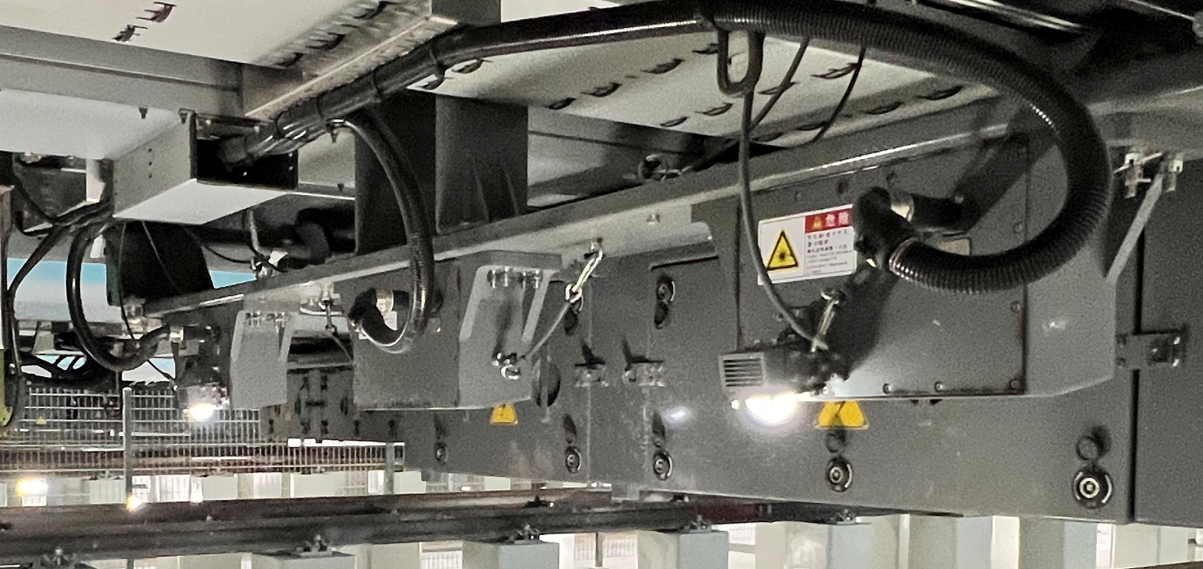
(1) Solution Overview
During train operation, both foreign‑object intrusion ahead and track facility defects may compromise traffic safety. Observation from a single perspective cannot cover both the dynamic forward environment and detailed track conditions. Conventional track inspection is also constrained by operation time windows and the efficiency of manual checks.
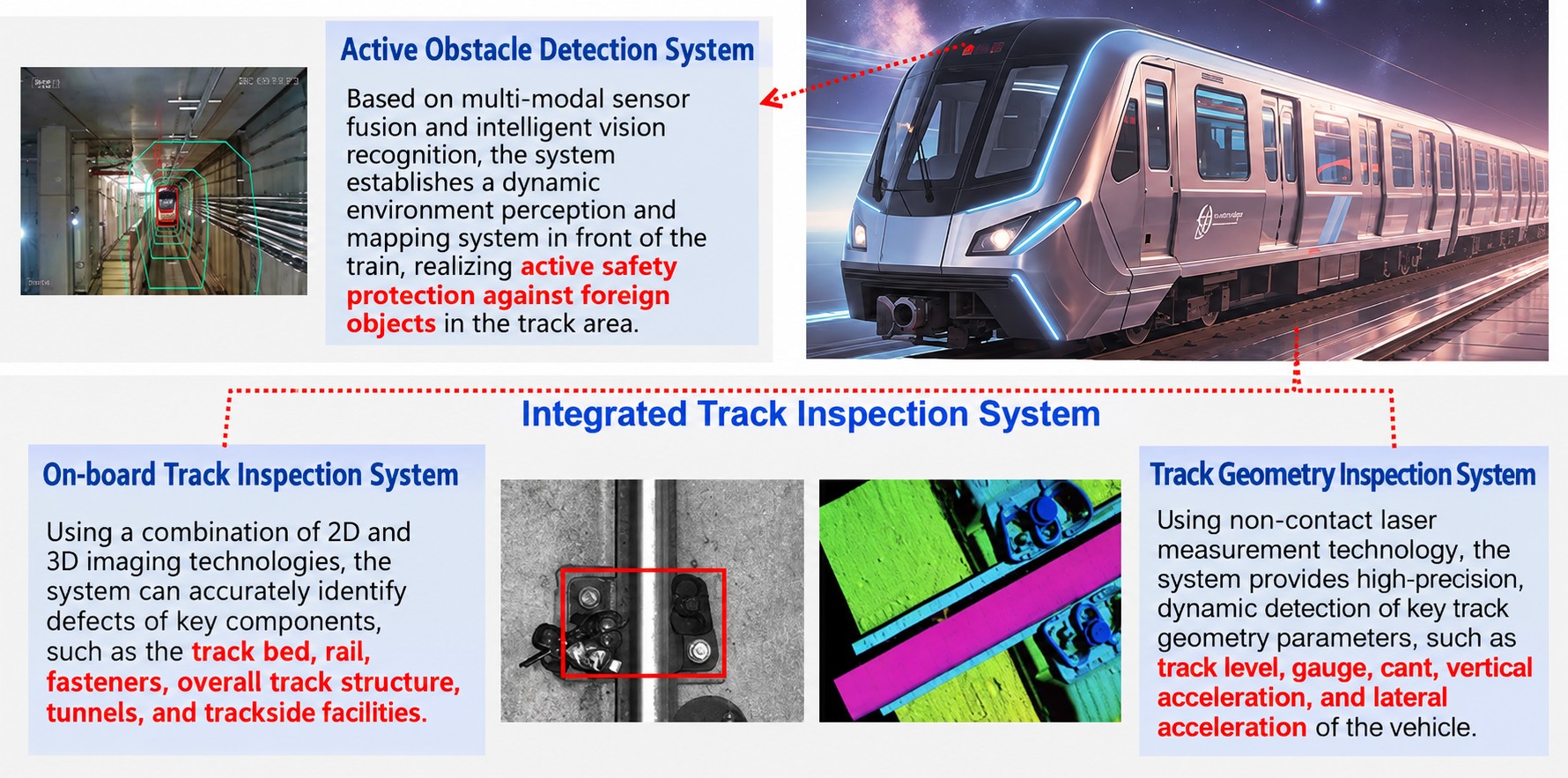
Built upon an intelligent on‑board system, this solution integrates active obstacle detection and on‑board track inspection into one complete package. The former perceives the environment ahead of the train, while the latter inspects key track components, providing risk‑identification evidence for drivers and track maintenance personnel respectively. Combined with geometric‑parameter measurement, track inspection delivers comprehensive track detection capabilities.
(2) Core Functions and Solution Composition
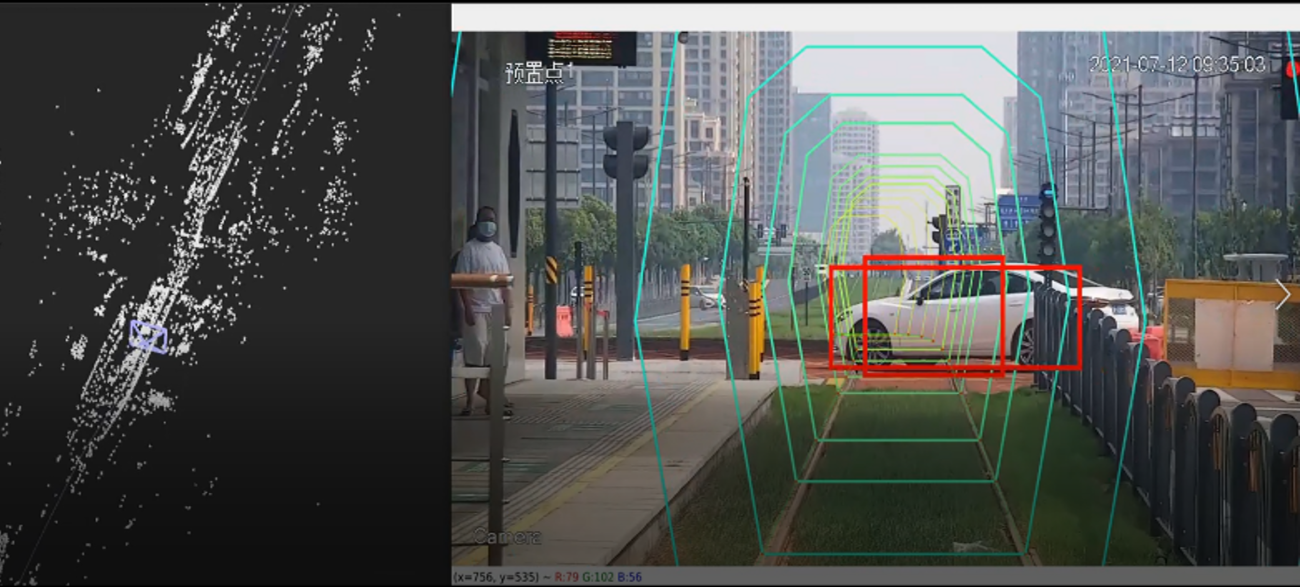
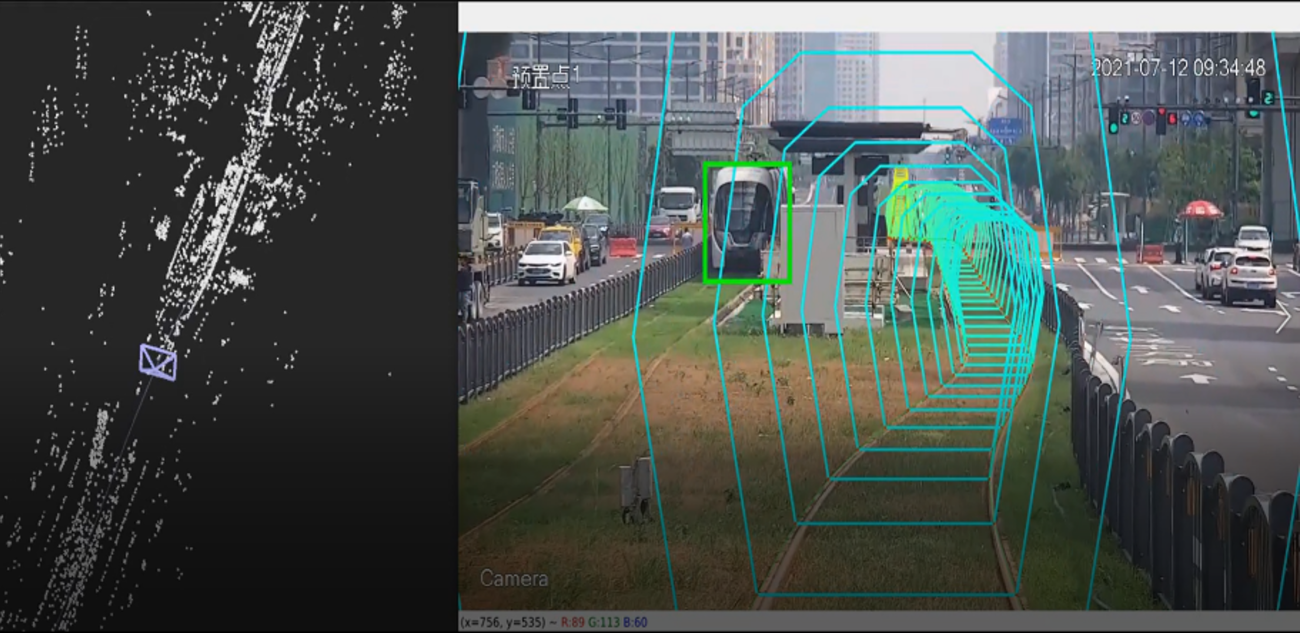
Active Obstacle Detection: It adopts multi‑modal sensor fusion and intelligent visual analysis to perceive the dynamic environment ahead of the train and identify foreign‑object intrusion within track zones. Reference scenarios include vehicle and pedestrian detection for tram environments, infrared‑based wild‑animal detection, end‑stop detection, and detection of metro trains travelling in the same direction.
On‑board Track Inspection: Combining 2D and 3D imaging technologies, it inspects steel rails, connecting fasteners, monolithic track beds, sleepers, turnouts and auxiliary track facilities, and identifies defects such as missing spring clips and fasteners, loose bolts, displaced rubber base plates, as well as cracks on rails and track beds.
Auxiliary Track Geometry Measurement: In response to track‑inspection requirements, non‑contact laser measurement is deployed to dynamically measure parameters including track gauge, cross‑level, alignment, warp, together with vertical and lateral car‑body acceleration. It supports over‑limit alarming and export of inspection results. This capability belongs to the track‑inspection module and does not alter the two core components of “obstacle detection plus track inspection”.
Application of Inspection Data: Track parameters and defect information are aggregated to support defect annotation, maintenance recommendations and track‑condition trend analysis, serving as the basis for routine inspection, special re‑inspection and maintenance scheduling.
(3) Technical Highlights and Differentiated Advantages
Integration of Operation and Inspection: Comprehensive track detection can be performed while passenger metro trains are in revenue service, reducing occupation of dedicated maintenance windows. Multi‑source Imaging Collaboration: 2D high‑speed line‑scan cameras and high‑speed 3D imaging cameras complement each other to capture both surface textures and spatial profiles.
Reference Technical Specifications: The comprehensive track‑detection metrics listed in the PPT cover a measuring speed range of 0‑120 km/h, dynamic measurement of 15 geometric parameters, recognition of more than 28 defect types, parameter‑measurement accuracy of ±0.2 mm, defect recognition rate >95 %, and false‑alarm rate <5 %. These metrics apply only to the comprehensive track‑detection module; actual inspection items, speed conditions and acceptance criteria shall be determined according to project‑specific configurations.
(4) Application Cases
Typical Application Demonstrations: Reference materials show detection footage for same‑direction metro trains, infrared wild‑animal targets, vehicles and pedestrians in tram scenarios, and end stops, which illustrate forward‑target perception capabilities under diverse operating environments. No specific track information, acceptance documents or operational performance data for these scenarios are provided in the PPT; hence they are presented as scenario‑based demonstrations.
Track Inspection Applications: It checks track parameters and component conditions during daily revenue service; assists geometric‑parameter verification for newly‑built‑line acceptance; and provides inspection evidence for track‑safety reassessment following extreme conditions such as heavy rain, freeze‑thaw cycles or earthquakes.
(5) Customer Value
It enables operating organisations to promptly detect intruding objects ahead of trains and abnormalities in track facilities, supplying evidence for driver responses and maintenance planning. On‑board inspection lowers the organisational burden of dedicated inspection tasks, increases the frequency of track‑condition acquisition, and supports issue tracing and maintenance decision‑making through inspection records.