EMU Maintenance Management System
Digital maintenance management across the vehicle lifecycle.
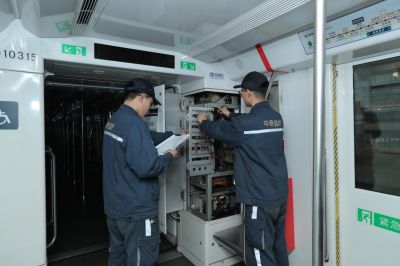
The Electric Passenger Train Maintenance System is an information-based system developed specifically for the operational, maintenance, and repair requirements of electric passenger trains in the rail transit industry. It is built upon comprehensive vehicle and component life-cycle state tracking and RAMS-based reliability management, addressing the operational, routine maintenance, scheduled overhauls, and major overhauls needs for electric passenger trains, engineering vehicles, process equipment, depot equipment, and specialized equipment. The system integrates with the production safety system, OA system, and material management system to enable integrated approval workflows, vehicle maintenance management, and lean maintenance management. By leveraging cutting-edge technologies and achievements—including the Internet of Things (IoT) and intelligent maintenance decision-making models—the system establishes a highly integrated, end-to-end electric passenger train maintenance management platform.
Solution
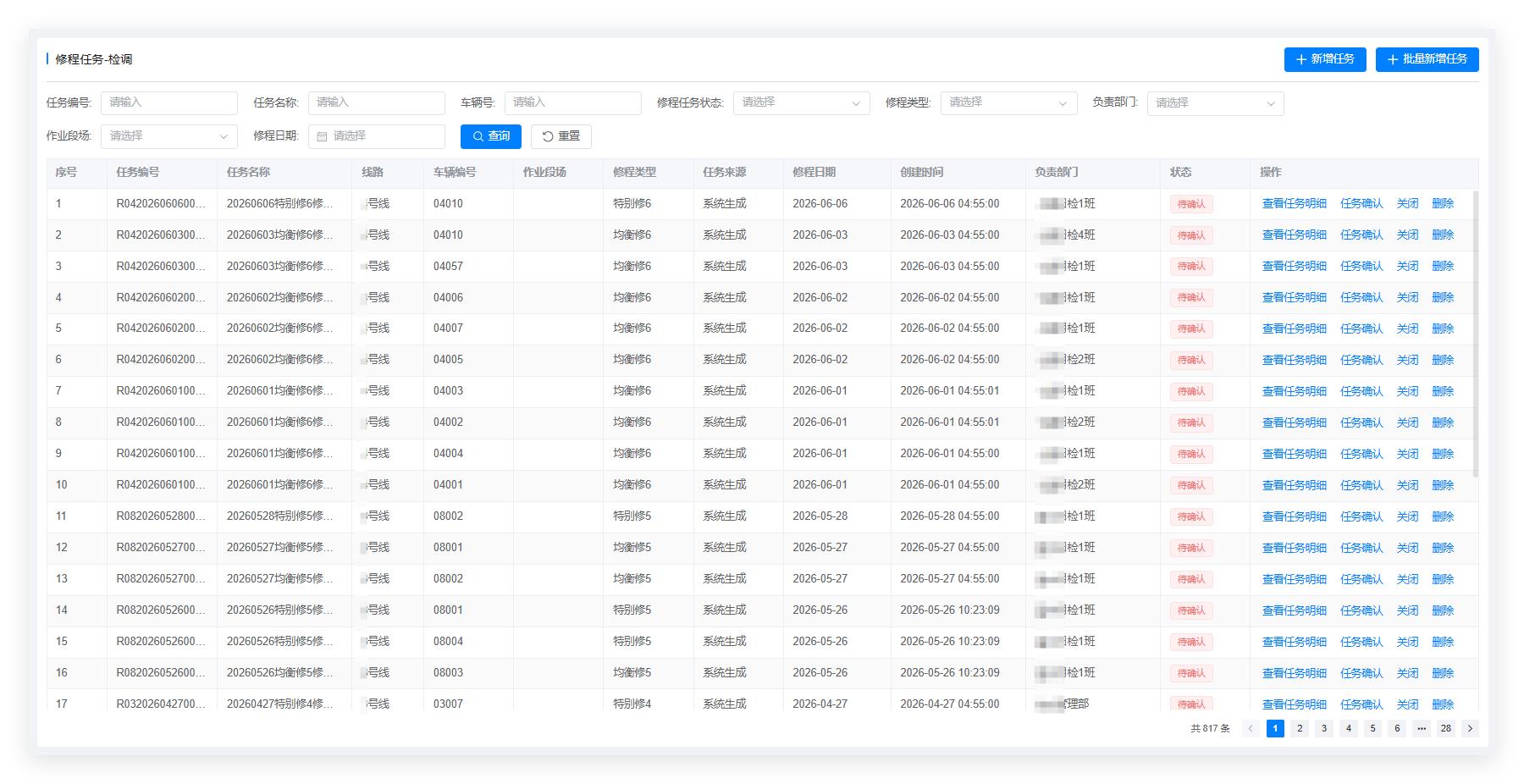
The electric multiple unit (EMU) maintenance system is a smart operation and maintenance management platform that encompasses all critical elements— "people, machinery, materials, methodologies, and environment." The system establishes a digital full-lifecycle maintenance record for each EMU, digitizing technical drawings, maintenance protocols, and other relevant documentation to create a unified vehicle archive. During the production phase, the system automatically generates production plans based on maintenance schedules and precisely allocates tasks; it also enables frontline personnel to log operational records online, while providing process control for outsourced projects, thereby enabling intelligent production scheduling. Regarding faults and quality, the system implements a closed-loop management process—from fault reporting, diagnosis, and remediation to final acceptance—ensuring that critical maintenance procedures consistently meet required standards. Furthermore, the system integrates material management with maintenance work orders, automatically verifying inventory levels and processing material requisitions, while also covering the maintenance and repair of facilities and equipment within the depot. Ultimately, by centrally consolidating data across all vehicles, equipment, and maintenance activities, the system conducts statistical analyses. This supports management personnel in identifying fault patterns and optimizing maintenance strategies, thereby enhancing the safety and reliability of EMUs while significantly reducing full-lifecycle operational and maintenance costs. In this way, the system truly achieves data-driven decision-making and intelligent maintenance operations.
Why Choose Us
Microservices architecture, flexible and scalable
The system adopts a microservices architecture design, decoupling its ten functional modules to achieve high availability and elastic scalability, thereby facilitating flexible upgrades or the integration of new features in accordance with operational and maintenance requirements.
Data Integration and Full-Lifecycle Traceability
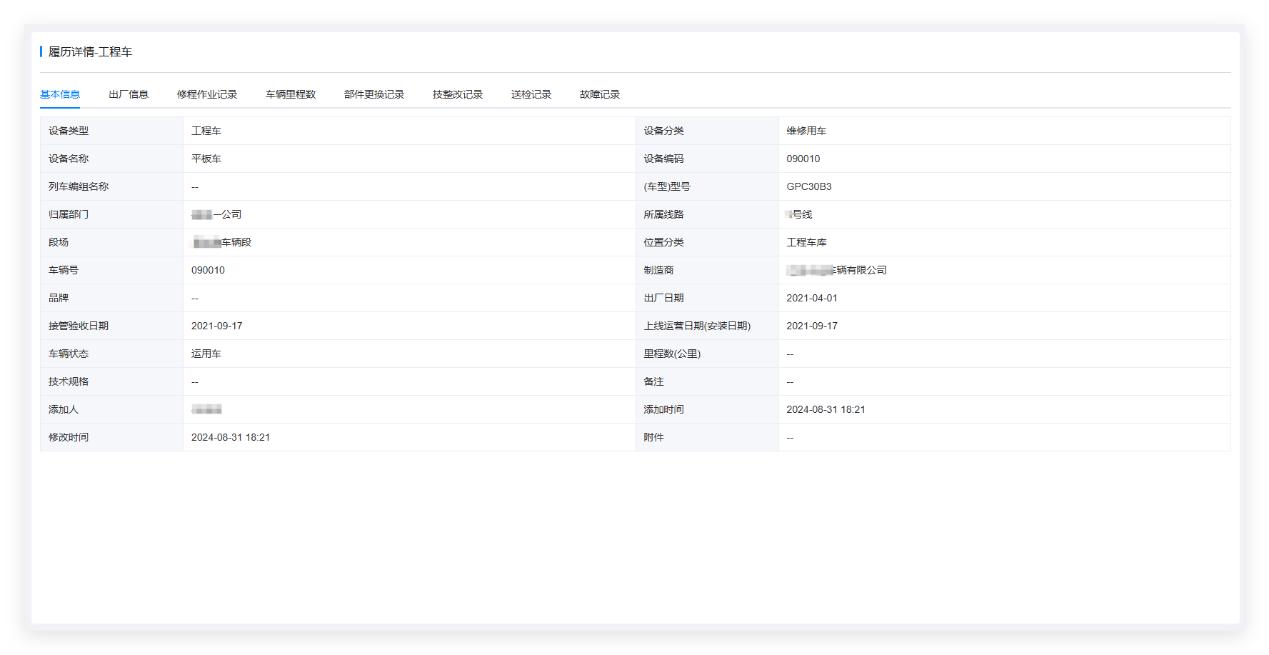
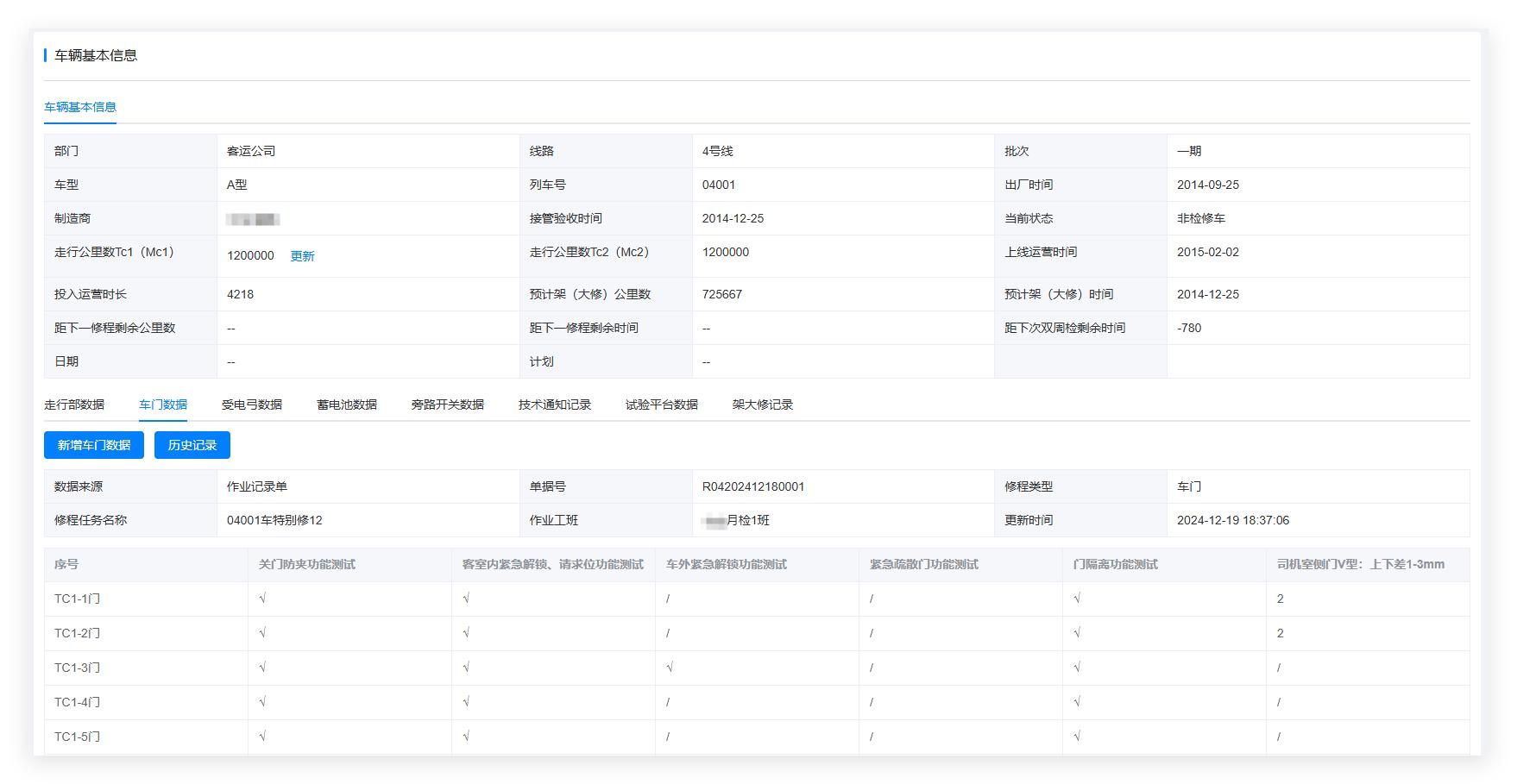
By digitizing maintenance records, we have uniformly integrated data on vehicles, facilities, and equipment, establishing a comprehensive electronic maintenance history for each electric multiple unit—from entry into the depot to decommissioning—thereby enabling refined, full-lifecycle management under the "one vehicle, one file" framework.
Closed-Loop Maintenance Process and Intelligent Driving
From schedule planning, operation execution, outsourced process control, to quality inspection and acceptance, the system establishes a complete business closed-loop. It automatically assigns tasks and monitors key process stages, enabling intelligent production scheduling and standardized operational workflows.
Concentrated Analysis and Decision Support
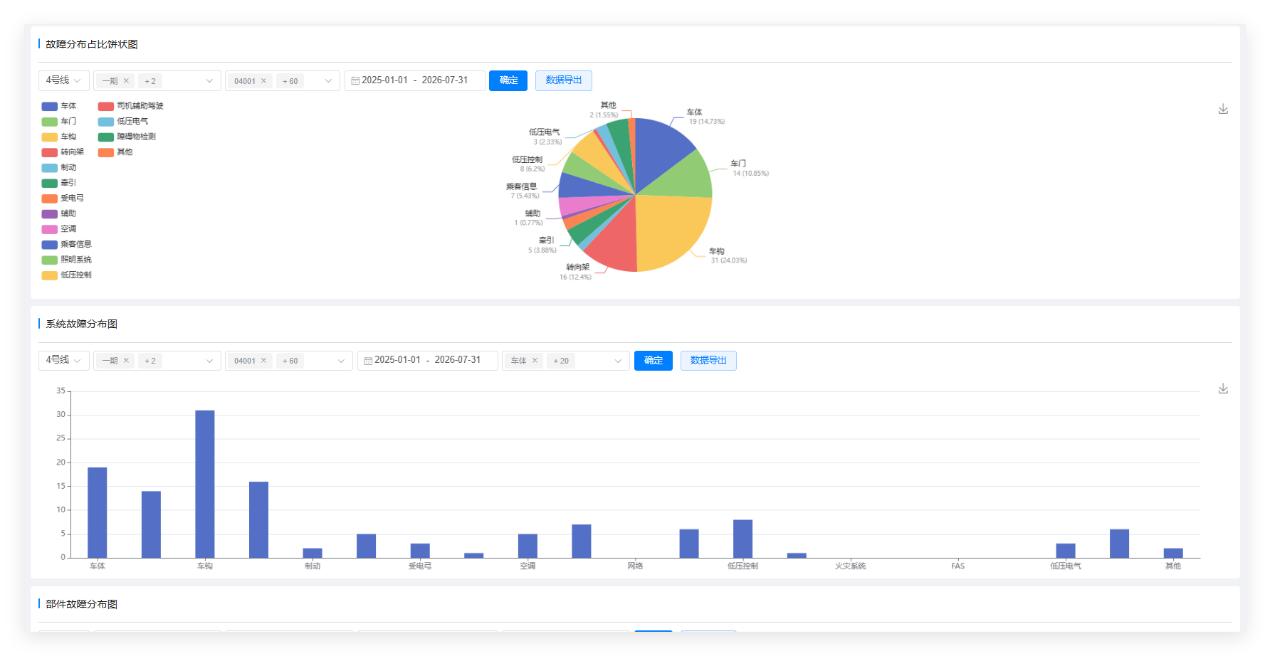
By consolidating all maintenance, fault, and material-related data and conducting multi-dimensional statistical analyses, this initiative assists managers in accurately identifying fault patterns, optimizing maintenance strategies, and thereby fundamentally enhancing the safety and reliability of electric passenger trains while reducing operational and maintenance costs.
About Us
Founded in 2018, DITT applies AI visual intelligence to rail transit. Built on our own visual perception algorithms, intelligent hardware and O&M systems, we deliver a full inspection portfolio spanning onboard and wayside applications, now serving 20+ rail transit systems across China.

Together with our subsidiaries — Zhonggang Maintenance, Zhongshu Laser and Yunshang Urban Rail — we are moving rail transit O&M toward predictive maintenance and full-lifecycle management.
0
Company Establishment
0+
Invention Patents
0+
Metro Clients Served
0%+
R&D Proportion of Revenue
Ready to find the right solution?
Our engineers will recommend the best-fit configuration for your specific application — at no cost.
Inquire Now
Related Products
To meet the deep maintenance requirements of rail transit passenger cars and their electromechanical equipment, we integrate core vehicle manufacturing technologies with MTR's refined asset management expertise to deliver full-vehicle frame overhauls, component-level specialized repairs, and multi-system collaborative commissioning services. Leveraging our quality management systems, expert technical teams, intelligent maintenance equipment, and original equipment manufacturer (OEM) supply chains, we enable end-to-end management encompassing inspection, repair, validation, and traceability, thereby supporting rigorous repair quality control and optimization of full-lifecycle costs.
Specializing in rail transit passenger trains and their electromechanical equipment, we leverage our expertise in MTR asset management to provide routine maintenance services spanning the entire lifecycle of such equipment. By integrating computer vision, sensor technology, and AI-based diagnostic solutions, we conduct condition analysis and predictive maintenance, while optimizing the coordination of spare parts, personnel, and operational workflows. This approach helps clients reduce unplanned downtime, enhance train availability rates, and advance operational and maintenance standardization alongside resource optimization.
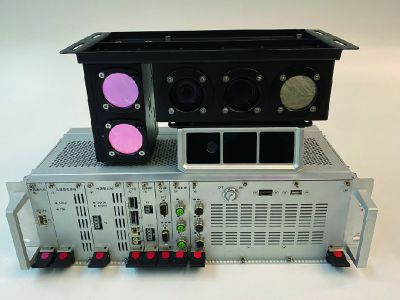
The integrated obstacle detection system deeply combines sensor data from visible light, infrared, millimeter-wave radar, and LiDAR to enable intrusion obstacle detection and safety early-warning capabilities in rail transit areas. The system is suitable for harsh operating conditions in tunnels and elevated open-air environments; it supports a variety of vehicle types—including metro, intercity rail, tram, and locomotive vehicles—and can also be extended to monitor the status of peripheral equipment and facilities along the main lines.
Latest News
On September 18, the three-day "2025 China International Urban Rail Transit Exhibition" (MetroTrans 2025) officially opened at the CRCC Qingdao World Expo City.
On September 24, Li Jun, Deputy Director of the Qiantang New Area Management Committee of Hangzhou, Zhejiang Province and President of the district’s Western Returned Scholars Association, led a delegation from the Association on a visit to DITT.
Product Inquiry
Whether you'd like a quotation or simply want to learn more about us, we're happy to hear from you.
85
Phone
WhatsApp
Email
LinkedIn
Facebook