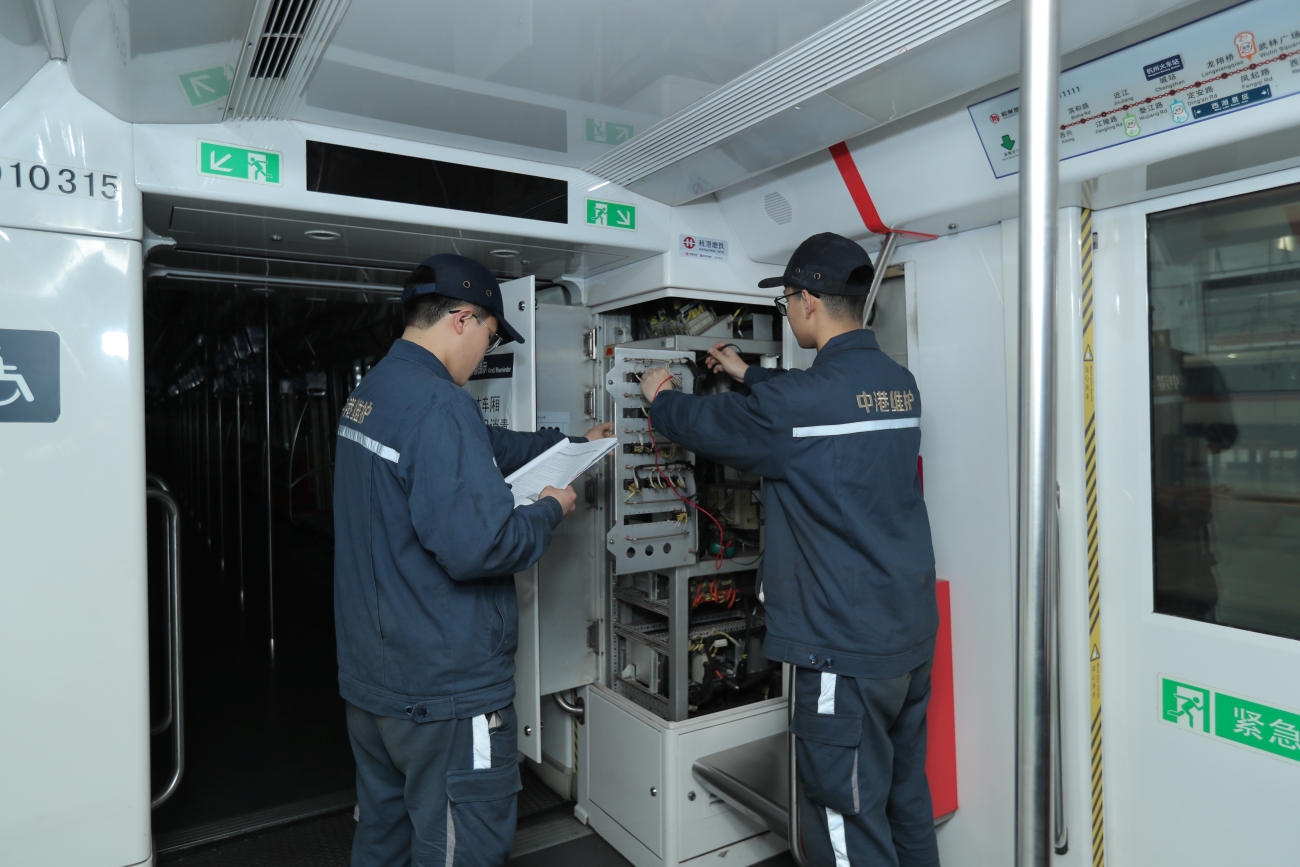
Routine EMU & Electromechanical Maintenance Services
Lifecycle routine maintenance to support higher train availability.
Specializing in rail transit passenger trains and their electromechanical equipment, we leverage our expertise in MTR asset management to provide routine maintenance services spanning the entire lifecycle of such equipment. By integrating computer vision, sensor technology, and AI-based diagnostic solutions, we conduct condition analysis and predictive maintenance, while optimizing the coordination of spare parts, personnel, and operational workflows. This approach helps clients reduce unplanned downtime, enhance train availability rates, and advance operational and maintenance standardization alongside resource optimization.
Solution
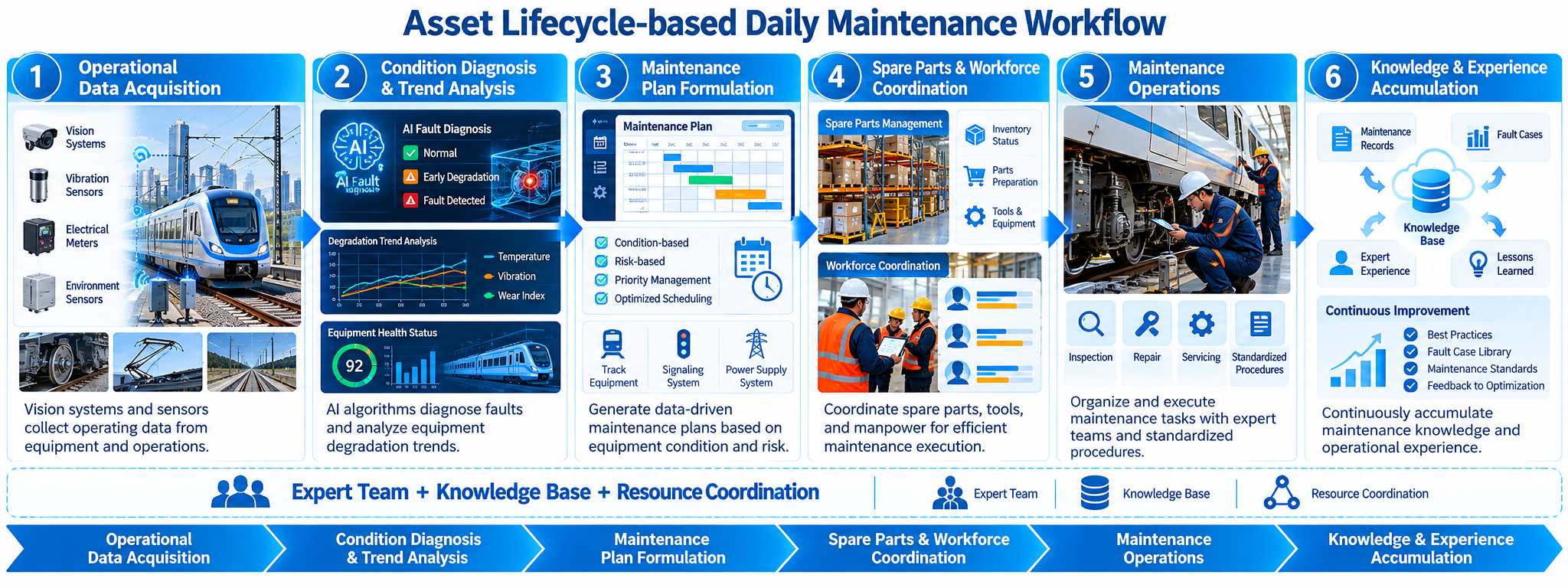
To address fault response, equipment status monitoring, and resource allocation requirements in daily operations, we establish a full-lifecycle management and predictive maintenance framework. By integrating comprehensive operational data collection, intelligent diagnostics, and automated inspection processes to identify potential hazards, combined with expert support and a knowledge base to establish maintenance decision criteria, as well as the coordinated allocation of spare parts, personnel, and operational workflows, we enhance maintenance efficiency and asset availability.
Overall Technical Parameters
Technical Specifications Service Capability Metrics
Service Objects Electric passenger trains and electromechanical equipment
Management Scope Full lifecycle from procurement and maintenance to decommissioning
Data Scope Comprehensive operational data of trains, pantograph-catenary, track, etc.
Diagnostic Technology Vision, sensor and AI-based fault diagnosis
Response Efficiency Intelligent diagnosis platform response efficiency improved by 50%
Automated Inspection Robot inspection, UAV track inspection, etc.
Detection Accuracy Automated operation detection accuracy improved to millimeter level
Knowledge Support Fault case library, maintenance standard library and experience sharing
Working Principle
Daily maintenance is based on the full life cycle management of assets. It collects operational data using vision and sensors, conducts fault diagnosis and equipment degradation trend analysis with AI algorithms, and supports the formulation of maintenance plans. Operations are organized through expert teams, knowledge bases and resource coordination to continuously accumulate maintenance experience.
Why Choose Us
Full-lifecycle management
Drawing on the MTR asset management model, we will cover all stages—from procurement and maintenance to decommissioning—to establish a standardized operations and maintenance management system.
Predictive maintenance
Predict equipment degradation trends through data analysis, develop maintenance plans in advance, and reduce unplanned downtime.
Intelligent Diagnosis and Automation
Perform fault diagnosis by integrating vision systems, sensors, and AI algorithms, and introduce automated operations such as robotic inspection and drone-based rail inspection.
Synergy between experts and resources
The expert team provides technical and managerial support, leveraging knowledge base sharing, spare parts inventory management, and workforce scheduling optimization to enhance the operational efficiency of maintenance operations.
About Us
Founded in 2018, DITT applies AI visual intelligence to rail transit. Built on our own visual perception algorithms, intelligent hardware and O&M systems, we deliver a full inspection portfolio spanning onboard and wayside applications, now serving 20+ rail transit systems across China.

Together with our subsidiaries — Zhonggang Maintenance, Zhongshu Laser and Yunshang Urban Rail — we are moving rail transit O&M toward predictive maintenance and full-lifecycle management.
0
Company Establishment
0+
Invention Patents
0+
Metro Clients Served
0%+
R&D Proportion of Revenue
Ready to find the right solution?
Our engineers will recommend the best-fit configuration for your specific application — at no cost.
Inquire Now
Related Products
Specializing in rail transit passenger trains and their electromechanical equipment, we leverage our expertise in MTR asset management to provide routine maintenance services spanning the entire lifecycle of such equipment. By integrating computer vision, sensor technology, and AI-based diagnostic solutions, we conduct condition analysis and predictive maintenance, while optimizing the coordination of spare parts, personnel, and operational workflows. This approach helps clients reduce unplanned downtime, enhance train availability rates, and advance operational and maintenance standardization alongside resource optimization.
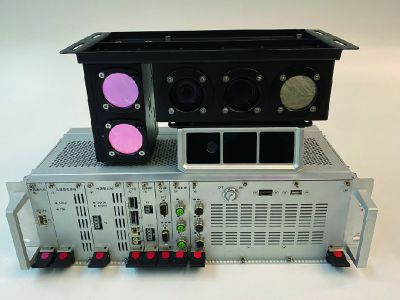
The integrated obstacle detection system deeply combines sensor data from visible light, infrared, millimeter-wave radar, and LiDAR to enable intrusion obstacle detection and safety early-warning capabilities in rail transit areas. The system is suitable for harsh operating conditions in tunnels and elevated open-air environments; it supports a variety of vehicle types—including metro, intercity rail, tram, and locomotive vehicles—and can also be extended to monitor the status of peripheral equipment and facilities along the main lines.
A non-contact dynamic limit detection system, based on a 3D laser profilometer and machine vision, automatically performs external profile acquisition, limit exceedance assessment, and audio-visual alarms when vehicles pass through; this system provides real-time limit safety assurance for the entry and exit operations of rail transit vehicles during maintenance.
Latest News
On August 30, 2025, Changzhou Metro Group held the "Changzhou Metro Line 1 EMU Intelligent Inspection System Expert Review Meeting" at the Baizhang Depot.
On August 15, 2025, the Technology Center of Shanghai Shentong Metro Group Co., Ltd. held an expert review meeting on the "Automatic Laser Cleaning Equipment for Vehicle Parts" at the Shanghai Metro Jiangyang North Road Base.
Frequently Asked Questions
To which entities does routine maintenance apply?
Providing professional maintenance and service solutions for rail transit passenger vehicles and their electromechanical equipment.
How to minimize downtime caused by unexpected failures
Predict equipment degradation trends through data analysis, develop maintenance plans in advance, and reduce unplanned downtime.
What data does intelligent diagnosis utilize?
Utilize visual technologies, sensors, and other means to collect comprehensive operational data from trains, pantograph-catenary systems, and tracks, and then employ AI algorithms to perform fault diagnosis.
Whether to implement automated inspection
By adopting self-developed robotic inspection systems and drone-based orbital inspection, we can replace high-risk manual operations and thereby enhance inspection accuracy.
How to coordinate spare parts and personnel resources
Integrate spare parts inventory, personnel scheduling, and operational workflows to allocate resources according to demand.
Can technical and managerial support be provided?
Supported by an expert team spanning fields such as vehicle manufacturing engineering and operational data analysis, and leveraging shared expertise through a fault case database and a maintenance standards database.
Product Inquiry
Whether you'd like a quotation or simply want to learn more about us, we're happy to hear from you.
178
Phone
WhatsApp
Email
LinkedIn
Facebook