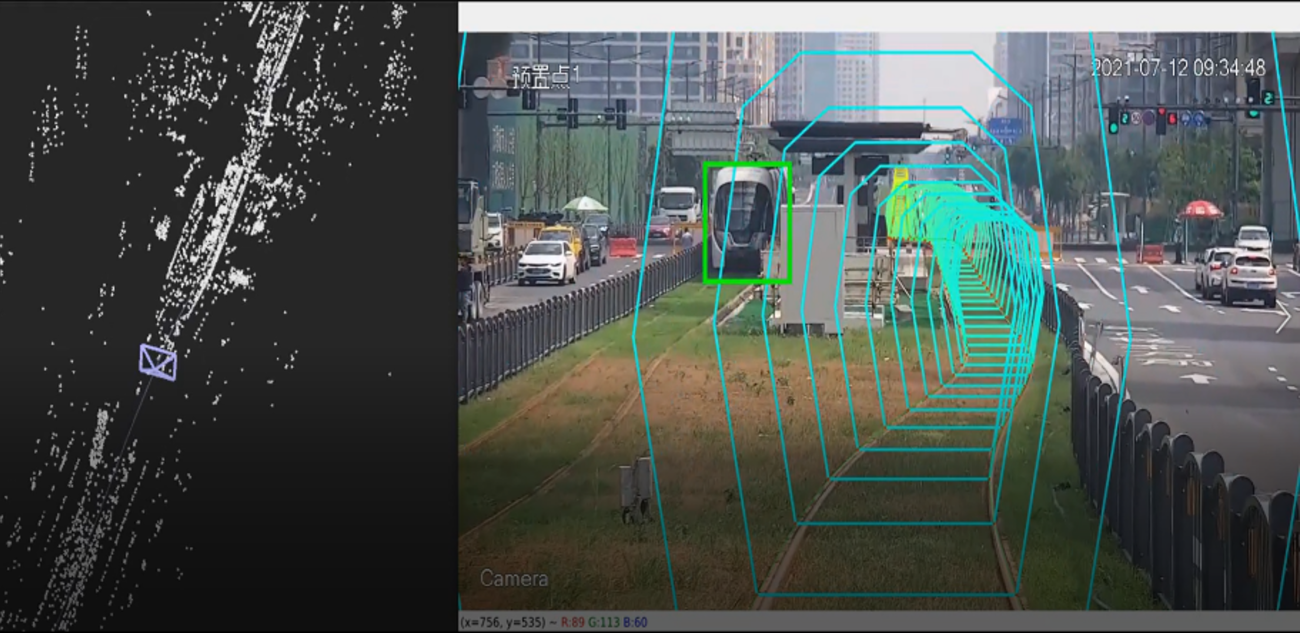
Multi-sensor Fusion Obstacle Detection System
Multi-sensor fusion for railway corridor obstacle detection and safety alerts.
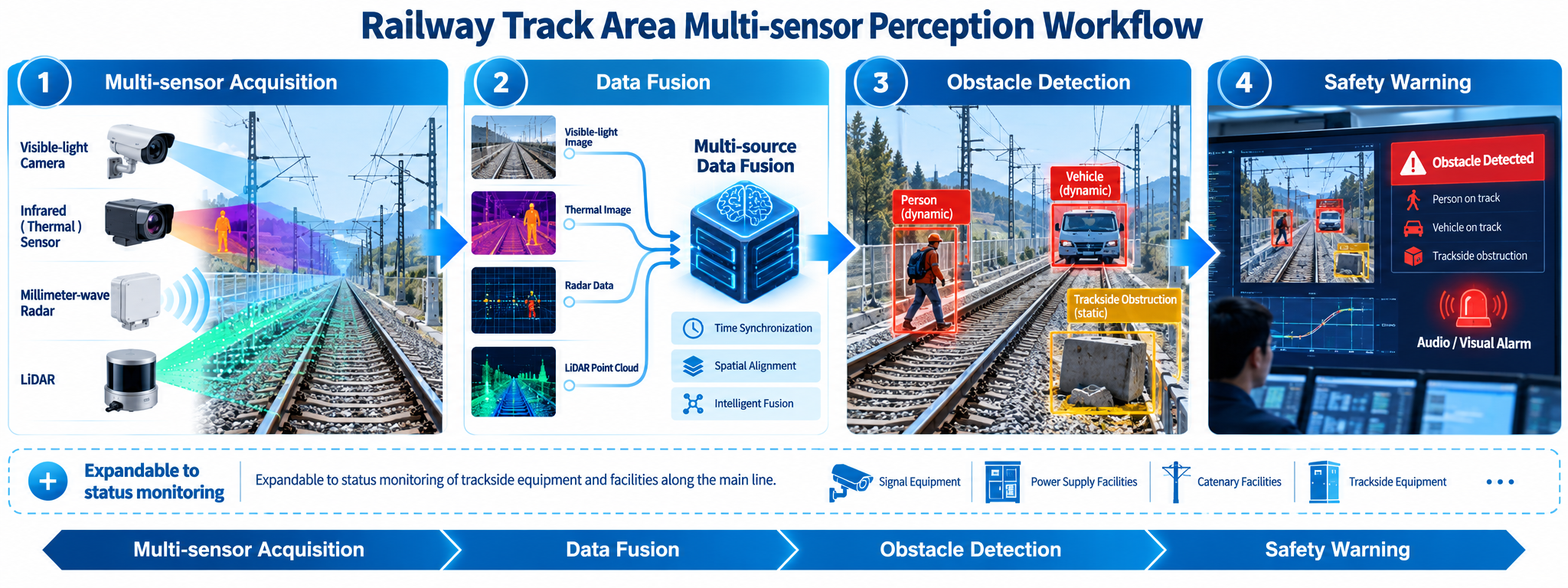
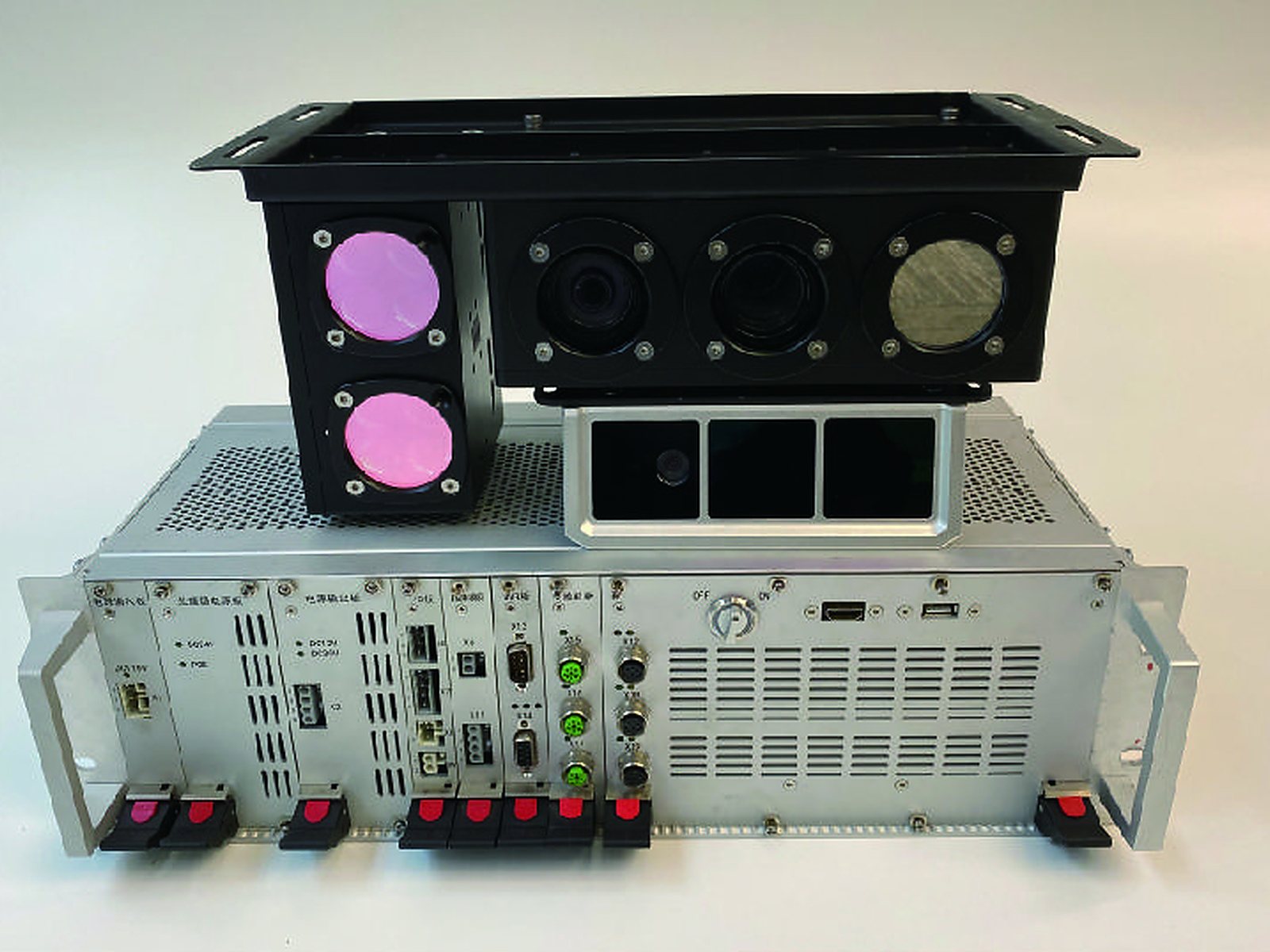
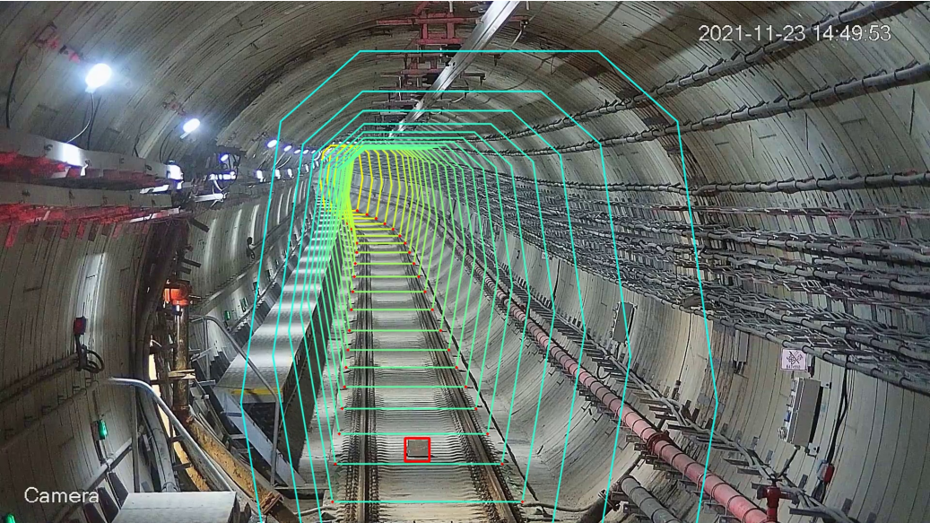
The integrated obstacle detection system deeply combines sensor data from visible light, infrared, millimeter-wave radar, and LiDAR to enable intrusion obstacle detection and safety early-warning capabilities in rail transit areas. The system is suitable for harsh operating conditions in tunnels and elevated open-air environments; it supports a variety of vehicle types—including metro, intercity rail, tram, and locomotive vehicles—and can also be extended to monitor the status of peripheral equipment and facilities along the main lines.
Solution
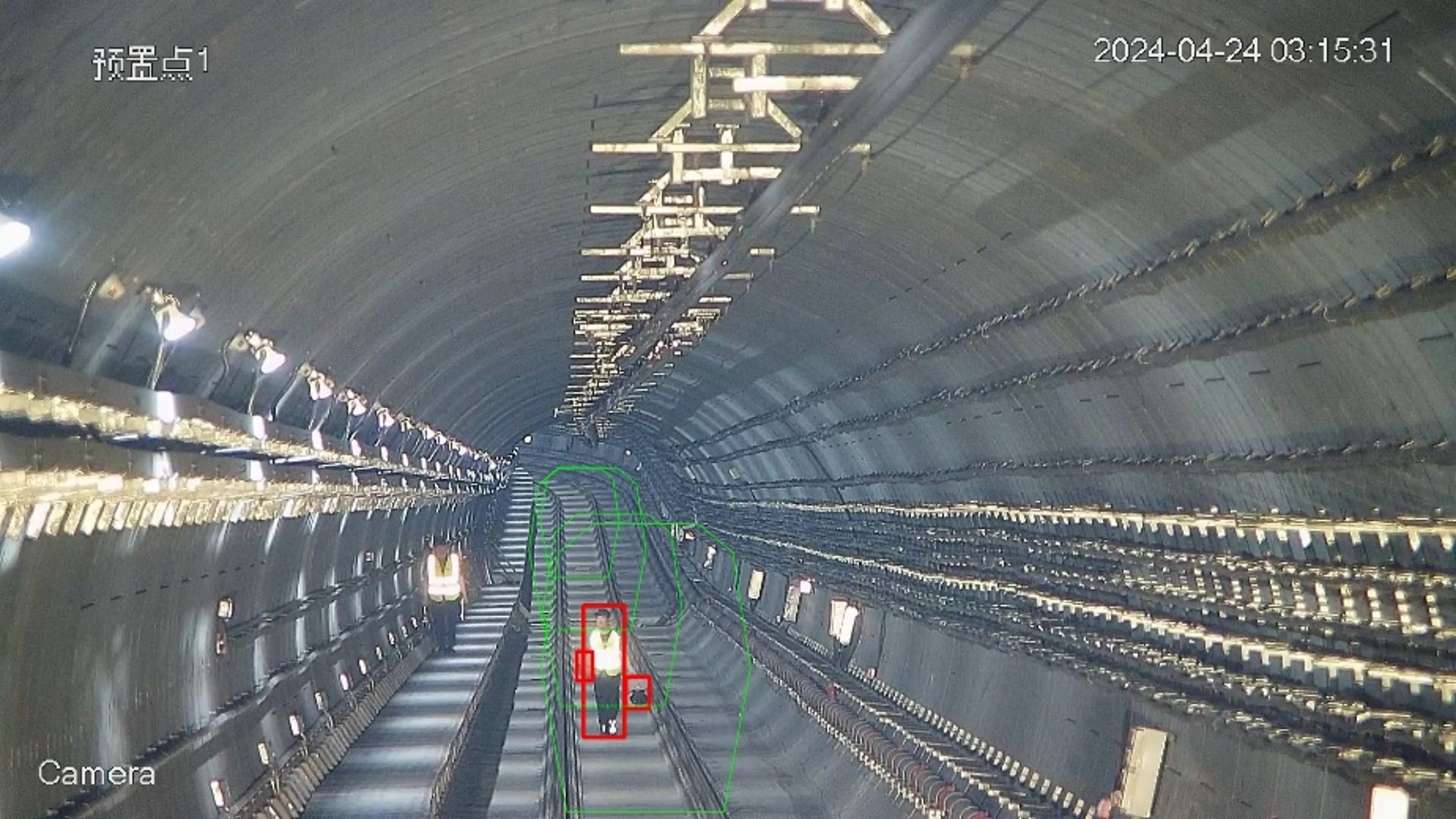
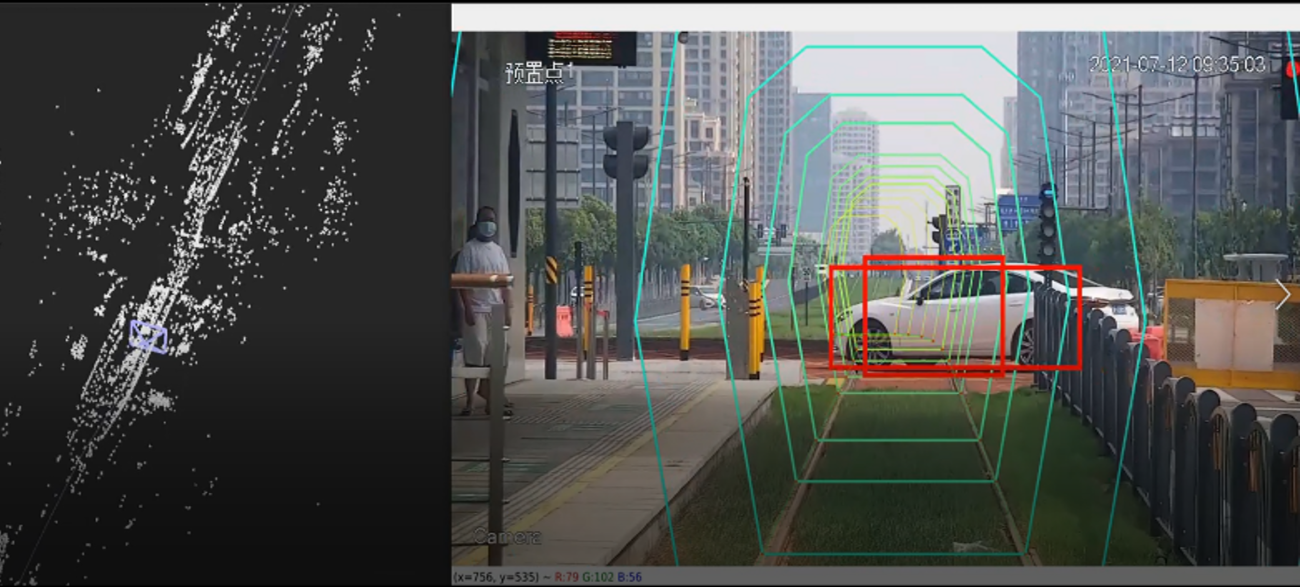
To mitigate the risk of foreign objects intruding into the track area during train operations, this solution integrates data from multiple sensor types to detect pedestrians, vehicles, trains, animals, as well as specialized objects such as iron shoes and tools, thereby generating safety alerts. The solution is applicable to various scenarios—including tunnels and elevated open-air environments—supports multiple vehicle types, and enables operators to promptly identify obstacles along the tracks.
Overall Technical Parameters
Technical Specifications technical parameters
Safety Integrity Level SIL2
Sensor Type Visible light, infrared, millimeter-wave radar, LiDAR
Dynamic Targets Pedestrians, vehicles, trains, animals, etc.
Static Targets Wheel chocks, tools, etc.
Detection Capability Speed 80 km/h; distance ≥280 m; target size ≥30 cm × 30 cm
False Alarm Rate <0.01%
Applicable Systems Metro, intercity, tram, locomotive, etc.
Application Track Record 500+ systems/products in safe onboard operation
Working Principle
Track area information is collected via visible light, infrared, millimeter-wave radar and LiDAR. Multi-source data is fused and processed to detect dynamic and static obstacles, generate safety early warnings, and support extended detection of the status of equipment and facilities around the main line. Workflow Schematic Multi-sensor Acquisition → Data Fusion → Obstacle Detection → Safety Early Warning
Why Choose Us
Multi-sensor fusion
By integrating visible light, infrared, millimeter-wave radar, and LiDAR data, the system identifies both dynamic and static obstacles in the track area.
long-distance detection
Under operating conditions of 80 km/h, for targets measuring ≥30 cm × 30 cm, with a detection range of ≥280 m, the false alarm rate is <0.01%.
Multi-scenario adaptability
Suitable for harsh operating conditions in tunnels and elevated open-air environments; supports a variety of vehicle types, including metro, intercity rail, tram, and locomotive vehicles.
Security and Application Fundamentals
Safety level SIL2, with over 500 successful safety operation records across systems and products, and support for extended status monitoring of peripheral devices and facilities.
About Us
Founded in 2018, DITT applies AI visual intelligence to rail transit. Built on our own visual perception algorithms, intelligent hardware and O&M systems, we deliver a full inspection portfolio spanning onboard and wayside applications, now serving 20+ rail transit systems across China.

Together with our subsidiaries — Zhonggang Maintenance, Zhongshu Laser and Yunshang Urban Rail — we are moving rail transit O&M toward predictive maintenance and full-lifecycle management.
0
Company Establishment
0+
Invention Patents
0+
Metro Clients Served
0%+
R&D Proportion of Revenue
Ready to find the right solution?
Our engineers will recommend the best-fit configuration for your specific application — at no cost.
Inquire Now
Related Products
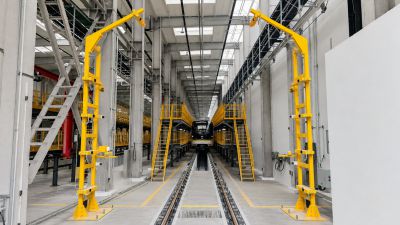
A non-contact dynamic limit detection system, based on a 3D laser profilometer and machine vision, automatically performs external profile acquisition, limit exceedance assessment, and audio-visual alarms when vehicles pass through; this system provides real-time limit safety assurance for the entry and exit operations of rail transit vehicles during maintenance.
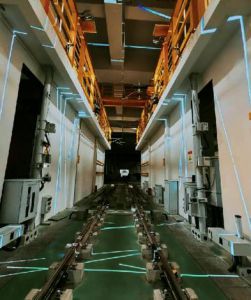
The 360 system integrates high-definition imaging and deep learning technologies to enable non-stop intelligent detection, accurately identifying the status of critical components in trains. This capability facilitates efficient fault diagnosis in metro operations and maintenance, thereby providing comprehensive safeguards for the operational safety of urban rail transit systems.
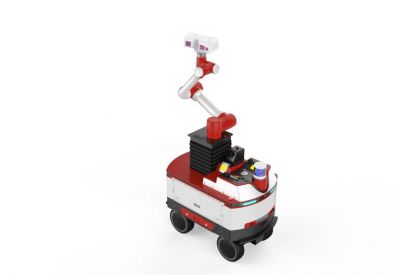
The vehicle inspection robot system primarily consists of a robot, charging stations, track transfer equipment, a wireless network, a backend processing center, and a management platform. By leveraging the robot, computer vision technology, diverse control techniques, and advanced algorithms, the system automatically captures images of the undercarriage and side of the vehicle, and can utilize these algorithms to detect and identify vehicle anomalies.
Latest News
On September 24, Li Jun, Deputy Director of the Qiantang New Area Management Committee of Hangzhou, Zhejiang Province and President of the district’s Western Returned Scholars Association, led a delegation from the Association on a visit to DITT.
On September 18, the three-day "2025 China International Urban Rail Transit Exhibition" (MetroTrans 2025) officially opened at the CRCC Qingdao World Expo City.
Frequently Asked Questions
It can detect which obstacles are present.
It can detect dynamic targets such as pedestrians, vehicles, trains, and animals, as well as static targets such as iron shoes and tools.
Which vehicles are compatible?
Supports a variety of vehicle types, including metro, intercity rail, tram, and locomotive vehicles.
Can it be applied to tunnels and elevated railway lines?
Yes, the system provides obstacle detection and safety alerts for tunnels and elevated open-air environments under harsh operating conditions.
What are the detection distance and target size?
At a speed of 80 km/h, with a detection distance of ≥280 m and target dimensions of ≥30 cm × 30 cm, the false positive rate is <0.01%.
Which sensors does the system employ?
Integrate sensor data from visible light, infrared, millimeter-wave radar, and lidar.
Can the status of facilities around the circuit be detected?
Support extended monitoring of the status of peripheral equipment and facilities along the main detection line.
Product Inquiry
Whether you'd like a quotation or simply want to learn more about us, we're happy to hear from you.
250
Phone
WhatsApp
Email
LinkedIn
Facebook