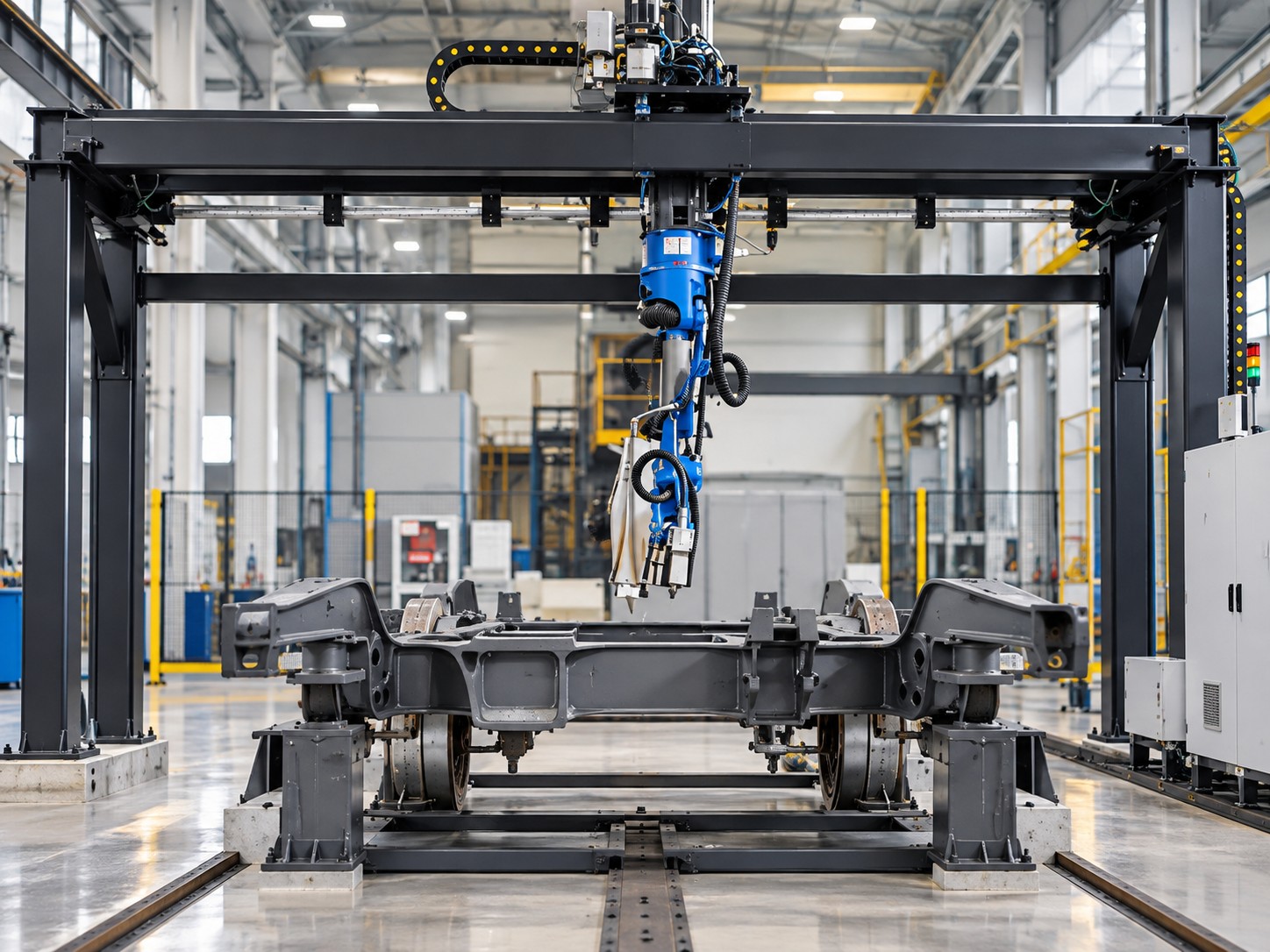
Fully Automated Dry Ice Cleaning Equipment
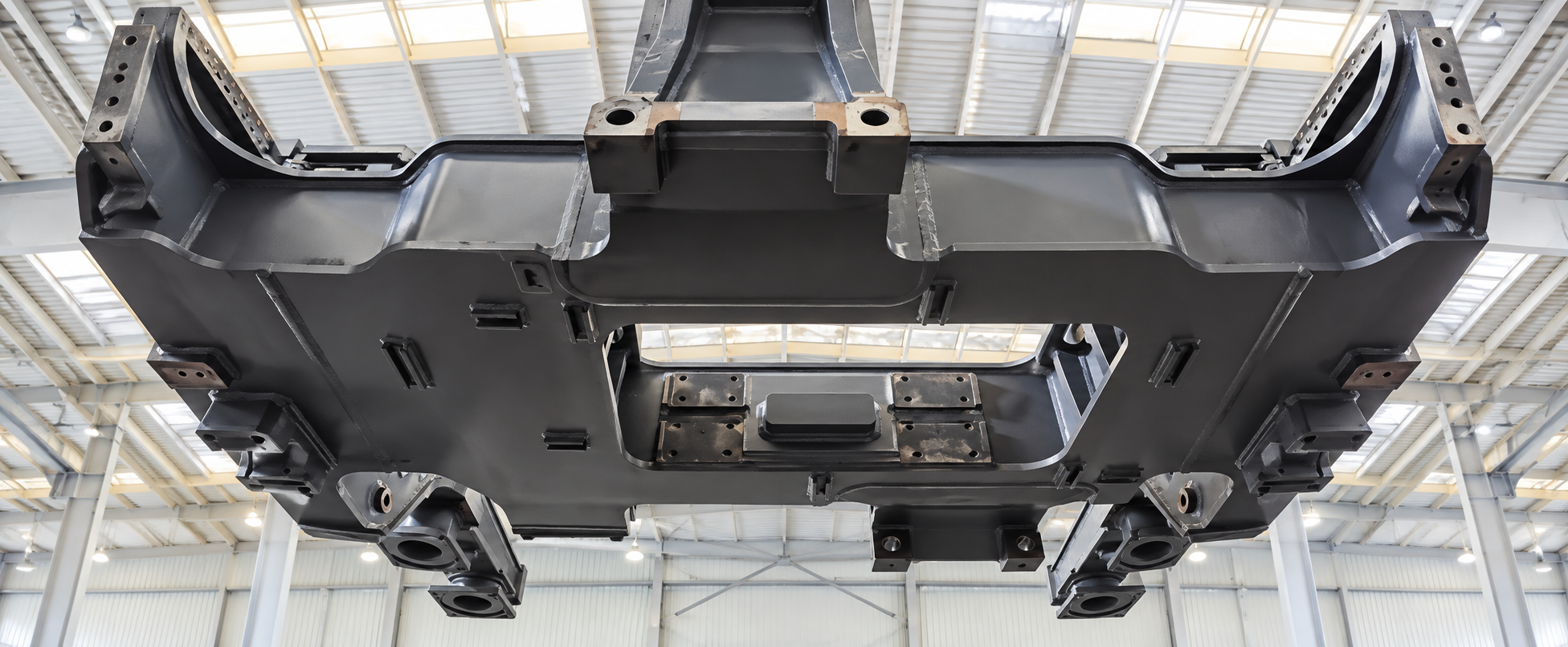
Robotic dry-ice cleaning for fully automated bogie-frame cleaning.
Integrating core technologies—including dry ice cleaning technology, robotics, and computer vision—this equipment enables fully automated operation across the entire rack cleaning process. It delivers superior performance, adheres to green environmental standards, and achieves high operational efficiency, with a single-unit rack cleaning efficiency of 20–30 minutes per unit. As a core piece of equipment independently developed by Zhongshu Laser, it has already been successfully deployed in practical applications at CRRC.
Solution
We provide comprehensive dry ice cleaning solutions tailored for cleaning scenarios involving rail transit frames and large vehicle body components. Replacing conventional chemical cleaning and high-pressure water cleaning processes, this solution eliminates the need to disassemble workpieces, enabling automated and batch-based cleaning of large components. It is particularly suitable for applications such as frame cleaning in major overhaul workshops and weld seam pretreatment, thereby enhancing cleaning efficiency while complying with environmental protection standards and requirements for maintaining workpiece precision.
Overall Technical Parameters
Technical Specifications parameter values
Cleaning process Dry ice low-temperature jet cleaning
Cleaning time per unit 20‑30 minutes
Dry Ice Specifications φ3mm pellet dry ice
Automated Configuration Robot + Vision-Based Positioning (Fully Automated Model)
Residue status Dry ice sublimation leaves no residue.
Practical Application It has been successfully put into practical application at CRRC.
Working Principle
(1) Introduction: The equipment accelerates ‑78℃ dry‑ice pellets via high‑pressure airflow and sprays them onto the workpiece surface at high speed. The low‑temperature impact of dry ice embrittles and cracks the dirt layer. Meanwhile, dry ice sublimates instantly with volume expansion, stripping contaminants from the substrate surface. Dry‑ice cleaning is a non‑contact process. Dry ice leaves no residue after sublimation, requiring no subsequent drying or waste‑liquid treatment. It is an environmentally‑friendly cleaning process. (2) Process Flow Chart: Dry‑ice filling → Workpiece loading and positioning → Robot path planning → Dry‑ice jet cleaning → Surface purging → Quality inspection → Workpiece unloading
Why Choose Us
Fully automated, high-efficiency operation
By integrating robots with a visual positioning system, full-process automated cleaning is achieved; cleaning using a single robot unit takes only 20–30 minutes, offering significantly higher efficiency than traditional methods.
Non-destructive, gentle cleaning
Utilizes-78 °C dry ice particles for low-temperature impact-based debris removal, enabling non-contact operation without damaging the workpiece substrate or compromising surface precision.
Eco-friendly, no secondary residues
The cleaning process requires no chemical agents; dry ice sublimates directly, leaving no waste residue, and no subsequent drying step is needed.
Complex Structure Adaptation
It can penetrate complex areas such as weld seams, narrow gaps, and uneven surfaces, effectively addressing cleaning challenges in irregularly shaped structures while ensuring uniform cleaning results.
About Us
Founded in 2018, DITT applies AI visual intelligence to rail transit. Built on our own visual perception algorithms, intelligent hardware and O&M systems, we deliver a full inspection portfolio spanning onboard and wayside applications, now serving 20+ rail transit systems across China.

Together with our subsidiaries — Zhonggang Maintenance, Zhongshu Laser and Yunshang Urban Rail — we are moving rail transit O&M toward predictive maintenance and full-lifecycle management.
0
Company Establishment
0+
Invention Patents
0+
Metro Clients Served
0%+
R&D Proportion of Revenue
Ready to find the right solution?
Our engineers will recommend the best-fit configuration for your specific application — at no cost.
Inquire Now
Related Products
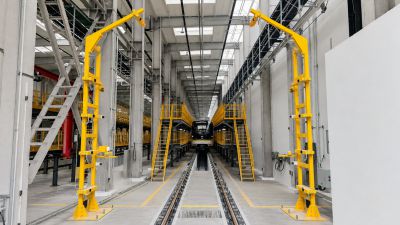
A non-contact dynamic limit detection system, based on a 3D laser profilometer and machine vision, automatically performs external profile acquisition, limit exceedance assessment, and audio-visual alarms when vehicles pass through; this system provides real-time limit safety assurance for the entry and exit operations of rail transit vehicles during maintenance.
The 360 system integrates high-definition imaging and deep learning technologies to enable non-stop intelligent detection, accurately identifying the status of critical components in trains. This capability facilitates efficient fault diagnosis in metro operations and maintenance, thereby providing comprehensive safeguards for the operational safety of urban rail transit systems.
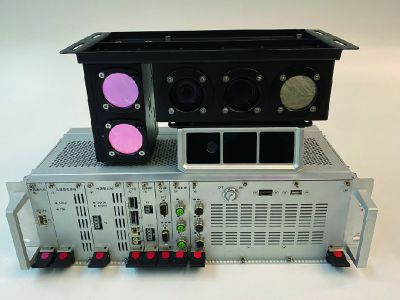
The integrated obstacle detection system deeply combines sensor data from visible light, infrared, millimeter-wave radar, and LiDAR to enable intrusion obstacle detection and safety early-warning capabilities in rail transit areas. The system is suitable for harsh operating conditions in tunnels and elevated open-air environments; it supports a variety of vehicle types—including metro, intercity rail, tram, and locomotive vehicles—and can also be extended to monitor the status of peripheral equipment and facilities along the main lines.
Latest News
On September 18, the three-day "2025 China International Urban Rail Transit Exhibition" (MetroTrans 2025) officially opened at the CRCC Qingdao World Expo City.
On August 29, Ruan Chonghui, Party Group Secretary and Director of the Standing Committee of the Qiantang District People’s Congress of Hangzhou, Zhejiang Province, led the Qiantang District delegation on a visit to DITT.
Frequently Asked Questions
Will dry ice cleaning damage the surface of the workpiece?
No. Dry ice cleaning is a physical cryogenic impact process that acts solely on the surface contaminant layer; it does not damage the substrate of the workpiece, does not compromise surface precision, and does not cause deformation.
Will there be any residue after cleaning?
No residue remains. Upon contact with the workpiece, dry ice sublimates instantaneously into carbon dioxide gas, leaving no solid or liquid residue; after cleaning, the workpiece surface becomes dry and clean.
Is it permissible to clean live electrical equipment?
Dry ice is non-conductive, enabling the cleaning of energized equipment without requiring a system shutdown; however, appropriate safety measures must be assessed and implemented based on the specific operating conditions.
How to procure and store dry ice
We can also provide a supply channel for dry ice; dry ice must be stored in dedicated insulated containers, and under standard storage conditions, it can be preserved for 3–5 days.
What types of contaminants can this equipment remove?
Capable of removing various types of contaminants—including oil stains, carbon deposits, paint layers, rust, release agents, and dust—making it suitable for a wide range of substrates, including metal, plastic, and composite materials.
Can fully automated equipment be integrated with existing production lines?
Yes. Fully automated models support integration with transfer systems such as roller conveyors and AGVs, enabling seamless integration with the customer's existing maintenance assembly line to achieve end-to-end automated operations.
Product Inquiry
Whether you'd like a quotation or simply want to learn more about us, we're happy to hear from you.
290
Phone
WhatsApp
Email
LinkedIn
Facebook